An AI Copilot for Social Media Managers: Inside the New Daily Workflow
A look at how a new generation of AI content tools is reshaping the social media manager's day, from morning idea triage to the judgment calls no algorithm can make.

The social media manager's morning used to start with a blank document and a mild sense of dread. Now, increasingly, it starts with a queue. Somewhere between the coffee and the first Slack ping, an AI copilot has already sorted yesterday's raw material, a client webinar recording, a PDF whitepaper, a founder's LinkedIn rant that never got posted, into something resembling a to-do list of ideas.
This is the shape an AI copilot for social media managers is taking in 2026: not a replacement for the person running the accounts, but a triage layer that sits between raw source material and the platforms where content actually lives.
Morning: idea triage, not idea generation
The distinction matters. A manager juggling five or six brand accounts doesn't lack ideas so much as time to mine them from the material already sitting in a shared drive. This is the specific gap that Archie by Agorapulse, an AI content studio built by the established social media management company Agorapulse, is designed to address. Rather than asking a blank prompt box to invent something from nothing, Archie's text workflow starts from a real source, a PDF, an article, a webinar recording, a video or an audio file, and extracts typed ideas from it before proposing editorial angles.
That "starts from a source" detail is the honest thread worth pulling on, and it's not exclusive to any one tool: content generated from something a brand actually said or produced tends to hold up better than content generated from a prompt alone, because it inherits real specifics, a phrase, a statistic, a moment from the webinar, that generic generation can't invent on its own. It's a principle, not a guarantee, but it explains why the "feed it a source" approach has gained traction among teams tired of editing generic AI drafts back into something recognizably theirs.
By mid-morning, the manager isn't starting from zero. They're reviewing a shortlist of angles pulled from Tuesday's webinar, deciding which one actually fits this week's calendar, and moving on.
Midday: drafts, per account, not per platform template
The second shift in the daily workflow is granularity. Older tools treated "repurposing" as reformatting, same caption, different aspect ratio. The newer copilots draft per account, acknowledging that a brand's LinkedIn voice and its Instagram voice are rarely the same sentence with different hashtags.
Once Archie has extracted ideas from a source, it prepares drafts tailored to each connected social account, rather than a single generic post to be manually adapted. Its Playbook feature is built around a narrower but practical idea: learning a brand's established voice and applying that style consistently to what it generates, so the drafts arriving in the queue sound less like a template and more like the brand's usual writer on a productive day. Archie also generates accompanying images, closing the gap between a written draft and something publish-ready.
This is also where video enters the picture. A manager who received a 40-minute recorded panel now has an alternative to scrubbing through it manually: Archie's Auto Clips feature lets a long video be uploaded so the tool can detect highlight moments and produce short, captioned clips suited to feeds and Reels. It's worth noting this is one entry point in a broader field, tools like Opus Clip and Descript have built dedicated reputations around clip and caption extraction from long-form video, and any team evaluating this workflow will likely compare a few before settling on one.
Afternoon: approvals, and the parts that stay human
None of this removes the approval step, if anything, it sharpens it. Drafts arriving pre-sorted by account and pre-styled to brand voice still need a human to check the specific claim, the tone on a sensitive day, the client sign-off before anything goes live. Scheduling and publishing tools like Buffer and Hootsuite remain the layer where that final approval and calendar coordination typically happens, and design tools like Canva remain a common stop for manual visual polish outside of what any generation tool produces automatically. A generalist writing assistant like Jasper serves a different, broader marketing-copy use case rather than the source-to-post pipeline described here.
What doesn't get automated is judgment: whether a joke lands for this specific client on this specific week, whether an angle is too aggressive for a brand that just had a rough news cycle, whether the "highlight" an algorithm flagged in a video is actually the moment that matters to the audience. That's the part of the day that hasn't changed, and probably won't.
FAQ
What is an AI copilot for social media managers, exactly? It's software that assists with the repetitive parts of the content pipeline, pulling ideas from source material, drafting per-platform or per-account copy, and in some cases generating accompanying visuals or video clips, while leaving final review, tone judgment, and publishing decisions to a human.
Does Archie replace a social media manager? No. Archie by Agorapulse, available at archie.app, is described as a content studio that turns source material into drafts and ideas; approval, scheduling, and account strategy remain manager-led tasks, typically handled through other tools in a team's stack.
What makes Archie different from a general AI writing tool? Its text flow is built to start from a real source, a PDF, article, webinar, video, or audio recording, rather than a blank prompt, and it prepares separate drafts per connected social account instead of one generic post.
Can it handle video content? Its Auto Clips feature allows a long video upload, after which the tool detects highlight segments and produces short, captioned clips.
Is starting from real source material actually better than prompting from scratch? As a general principle, yes: content built from an actual document, recording, or conversation tends to carry specific, brand-true detail that a from-scratch prompt has to guess at, though results still depend on the quality of the source and the editing that follows.
More stories

Fashion Week and Trade Shows in Paris: Transfers That Keep a Packed Schedule
When the calendar is built around show times and booth hours rather than sightseeing, how you move between venues matters as much as what you see there.
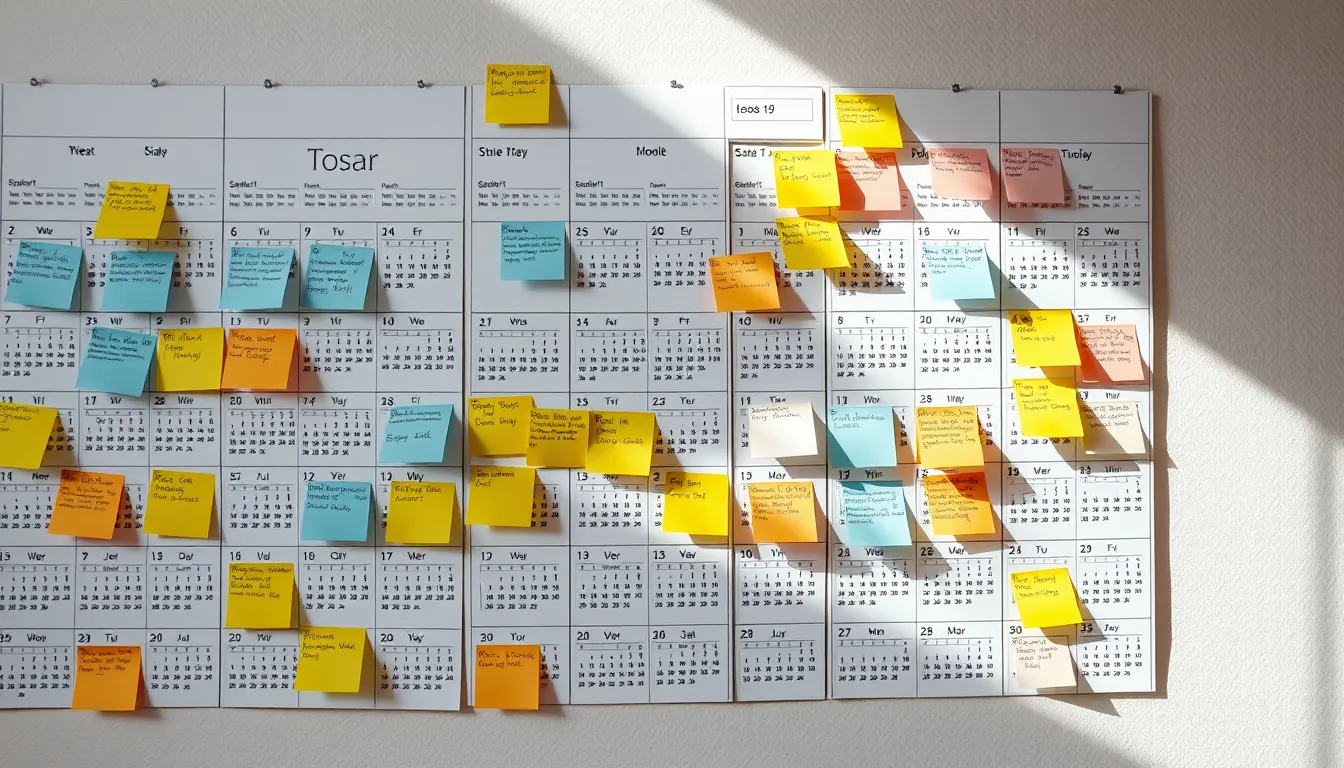
Batch-Creating a Month of Social Media Posts with AI: The Honest Version of the Dream
A full month of posts before lunch sounds like magic, but it only holds together if someone feeds the AI something real and reads what comes out the other side.

An AI That Learns Your Writing Style: How Voice Training Actually Works
Before trusting any tool to sound like you, it helps to understand what "learning your voice" really means under the hood.